Writing Teacher SVG: A Designer's Real-World Review
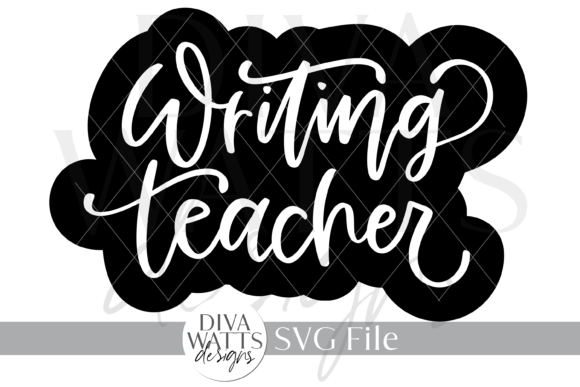
When I first opened the Writing Teacher SVG, my initial reaction wasn't about the file format or the technical specs. It was about the mood. In a sea of generic clip art and overused teacher quotes, this design feels distinctively personal. As someone who has spent years reviewing embroidery files for actual production, I look for that specific spark that tells me a design will translate well from a screen to fabric. This Graphics asset carries a warm, encouraging energy that immediately suggests it belongs in a classroom setting or as a heartfelt gift.
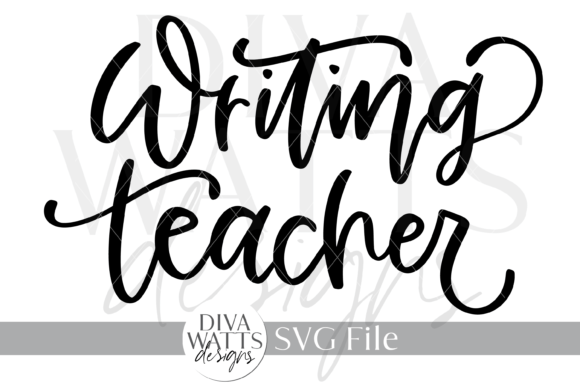
The layout strikes a balance between typographic emphasis and visual interest. The typography is clean, which is crucial for embroidery because complex fonts often lose definition when stitched. The shape feels cohesive, avoiding the cluttered look that plagues many low-quality vector files. Before I even think about threading my machine, I can already visualize how this will sit on a garment. It doesn't scream for attention; instead, it invites the viewer to pause and appreciate the sentiment behind the words.
From Screen to Stitch: A Real Project Scenario
To truly evaluate the Writing Teacher SVG, I need to move past the digital preview and imagine it in a physical context. Let's say I am preparing a custom order for an Etsy shop specializing in handmade gifts for educators. The client wants a premium embroidered tote bag for a writing instructor who has just retired after thirty years of service.
I place the design on a mockup of a heavy-duty canvas tote. The immediate challenge here is scale. If the text is too small, the stitching will be muddy. If it is too large, it might overwhelm the bag's structure. With the Writing Teacher SVG, the proportions feel right for a center-chest placement or a vertical orientation on the side of a tote. The curves of the letters suggest they would handle a satin stitch finish beautifully, creating a smooth, glossy texture that contrasts nicely with the matte canvas.
Imagine the finished product sitting on a boutique shelf. The thread colors chosen are deep navy and cream against a charcoal bag. The design pops without being garish. When a customer picks up the bag, the tactile quality of the embroidery adds value. It signals that this is a handmade product, not a mass-produced item stamped by a machine. For a small business owner, this distinction is everything. It builds trust and allows you to charge a premium price point because the craftsmanship is visible.
Where This Design Shines in Embroidery Projects
This embroidery file is versatile, but it excels in specific applications where storytelling matters more than high-density detail. Here is where I see the Writing Teacher SVG finding its best home:
- Custom Apparel and Sweatshirts: The design works exceptionally well on the back of a crewneck sweatshirt. The larger surface area allows the typography to breathe, making it perfect for sweatshirt embroidery where comfort and durability are key.
- Baby Embroidery: For a baby shower gift for a future educator, this design translates beautifully onto soft cotton onesies or burp cloths. The gentle lines avoid being too harsh for delicate fabrics.
- Holiday Embroidery: During the end-of-year season, this becomes a top-tier option for holiday gifts. It fits perfectly on kitchen towels, aprons, or pillow covers, serving as a meaningful token of appreciation.
- Embroidered Patches: If you have the capability to create applique designs or cut-out patches, this SVG is ideal. You could border the text with a simple running stitch to create a badge-style patch for a backpack or denim jacket.
- Tote Bag Design: Beyond the canvas example, this looks great on felt or linen totes used for craft fairs. It reinforces the brand identity of a creative entrepreneur.
In each of these scenarios, the Writing Teacher SVG acts as a focal point. It doesn't compete with other elements; it stands alone with confidence. This makes it an excellent choice for commercial embroidery projects where clarity and legibility are non-negotiable.
Design Pitfalls and Where to Exercise Caution
Even the most promising machine embroidery design has limitations. As a reviewer, my job is to warn you about potential friction points before you start stitching. There are specific situations where the Writing Teacher SVG might struggle if not handled correctly.
First, consider the hoop size. If you attempt to stitch this on a very small hoop, such as one designed for a hat brim or a tiny cuff, the lettering may become illegible. Tiny details in the font can get lost in the stitch density, resulting in a blob rather than text. Always check the minimum dimensions required for the smallest letter before committing to a small project.
Fabric texture is another critical factor. While this design handles medium-weight fabrics like cotton twill or denim well, it can be risky on highly textured materials like chunky bouclé or loose-weave linens. The needle penetration might distort the fabric, causing the threads to pull unevenly. Similarly, stretchy fabrics require extra care. Without proper stabilizer support, the tension of the satin stitch could cause the garment to pucker or warp.
Dense stitch areas are also worth noting. If the original vector includes intricate flourishes or extremely thin serifs, those areas might break down during the digitizing process. When converting a digital embroidery file, you must ensure that the fill stitches are not so dense that they create a stiff, board-like feel. This is particularly important for apparel decorators who want their finished garments to remain soft and wearable.
Finally, consider the background color. On dark fabrics, light-colored threads might not show up clearly unless you use a high-quality underlay or a contrasting base layer. Conversely, on white fabric, black thread can sometimes appear too harsh depending on the font style. Testing the contrast is essential.
Practical Notes for the Professional Designer
If you are planning to use the Writing Teacher SVG for your next craft business venture, follow these practical steps to ensure success. Do not skip the testing phase. Start by stitching the design on scrap fabric that matches the weight and texture of your final product. This helps you identify any issues with thread tension or stitch density before you waste materials.
Review the stitch density closely. If the design feels too heavy, consider reducing the density slightly to improve drape. Check the thread colors against your intended background. Sometimes, a color that looks vibrant on a monitor appears dull once stitched due to the sheen of the thread. Use a black and white mockup to check the contrast and readability of the shapes.
Confirm your licensing terms. Are you allowed to sell finished items created with this design? Does the license cover commercial use for your Etsy seller shop? These details vary by creator, so always read the fine print before producing goods for sale. Additionally, verify the file formats included. Ensure you have the correct extensions for your embroidery machine software.
Inspect small details like corners and intersections. In personalized gifts, perfection is expected. If a corner looks jagged or a line breaks, it reflects poorly on your brand consistency. Use a good stabilizer to support the fabric and prevent shifting. Whether you are creating a printable mockup for marketing or the actual finished product, the integrity of the stitch work defines the perceived value.
Ultimately, the Writing Teacher SVG offers a strong foundation for a variety of projects. It captures the spirit of education and creativity in a way that resonates with buyers. By approaching the digitization and stitching process with care and attention to detail, you can turn this simple graphic into a cherished keepsake. For designers looking to add meaningful, high-quality assets to their design assets library, this is a solid addition that balances aesthetic appeal with practical manufacturability.