Reviewing 15 Education and Books Illustration for Real Embroidery
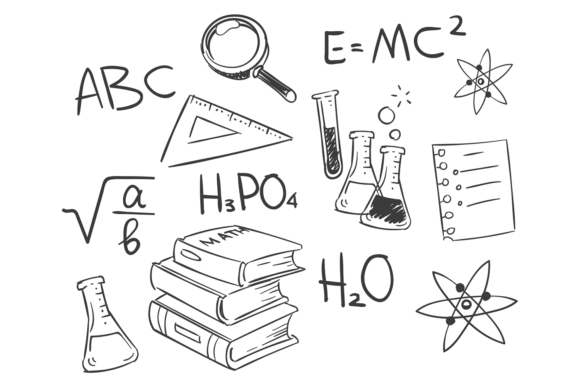
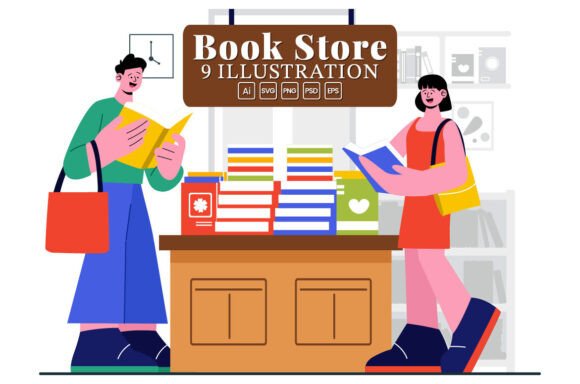
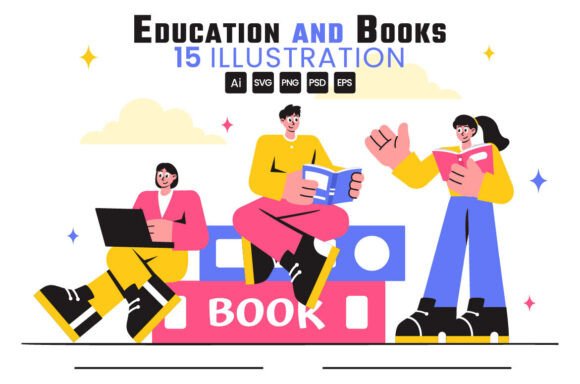
When I first opened the file labeled 15 Education and Books Illustration, I wasn't just looking at a collection of graphics; I was immediately thinking about the finished product on a shelf. As someone who has spent years stitching, designing, and reviewing embroidery files for real-world applications, my first instinct is always to ask: "Does this translate well from a flat screen to thread?" This vector illustration set, featuring people studying and school items in a charming flat style cartoon background, promises a lot of potential for educators, schools, and creative entrepreneurs.
The visual personality here is warm, inviting, and distinctly educational without feeling stiff or academic. The flat style lends itself perfectly to modern branding trends, making it ideal for boutique shops that want to sell personalized gifts or custom apparel with a playful yet professional touch. However, not every digital graphic survives the transition to machine embroidery design with its integrity intact. Let's dive into how this specific Graphics package performs when we move from concept to the hoop.
From Screen to Stitch: The First Impression
The moment you visualize 15 Education and Books Illustration as an embroidered piece, the mood shifts from a simple digital asset to a tactile experience. The clean lines and cartoon aesthetic suggest a project that needs clear definition. In the world of embroidery, "flat" styles can be tricky because they rely heavily on color blocking and distinct shapes rather than intricate shading. If the original vector has too many tiny details or extremely thin lines, those elements often get lost under layers of thread or become mushy blobs once stitched.
Fortunately, the composition of people studying and school items seems robust enough to handle the rigors of satin stitch and fill stitch. The characters likely have enough bulk to stand out against a fabric background, which is crucial for visibility. When I imagine this design on a canvas tote bag or a cotton sweatshirt, the colors pop, creating a sense of joy and learning that resonates with parents and teachers alike. It feels like a design meant to celebrate knowledge, making it a strong candidate for back-to-school campaigns or graduation merchandise.
A Real-World Scenario: The Custom Baby Gift
To truly test the viability of 15 Education and Books Illustration, let's imagine a specific client scenario. A local boutique owner wants to create a line of "Little Scholar" baby onesies and receiving blankets for a gender-neutral nursery. She approaches me to digitize or apply this illustration set. The goal is to produce a high-end, handmade product that feels special but remains durable through countless washes.
In this context, the design works beautifully. The theme of books and studying translates perfectly to a baby item, symbolizing the start of a child's journey. The flat cartoon style is forgiving on delicate fabrics like jersey or soft cotton blends used for baby clothes. Unlike complex photorealistic designs that might require expensive stabilizers and precise hooping, this illustration allows for a bit more flexibility. I would likely place the main character element on the chest of a onesie, using a small hoop size to keep the stitching tight and crisp.
For the blanket or pillow cover, the larger scale of the illustration could be utilized. Imagine the entire scene of kids reading rendered in soft pastel threads. The visual appeal here is high; customers browsing an Etsy listing or walking past a craft fair booth would stop because the imagery is relatable and cute. It creates an emotional connection before the buyer even touches the fabric. However, the success of this project hinges entirely on how well the file handles the transition to thread density. If the "people" are too detailed, they might lose their facial features. If the books are too thin, the edges might fray over time.
Where Caution is Required
While the potential is high, there are specific scenarios where 15 Education and Books Illustration requires careful consideration. Not every surface is suitable for every design. For instance, attempting to embroider this on a stretchy knit cap or a curved baseball hat can be challenging. The flat style relies on straight lines and defined angles; if the fabric distorts during the stitching process on a curved surface, the geometry of the illustration could warp, ruining the intended look.
Similarly, textured fabrics like heavy denim or terry cloth (for kitchen towels) can swallow up fine details. If the original vector includes small text or tiny decorative accents, these might disappear into the weave of the fabric. I would advise against using this design for very small hoop sizes unless the file has been specifically optimized to remove unnecessary micro-details. Dense stitch areas are another concern; if the design tries to pack too much thread into a small space, the fabric may pucker, especially on lightweight materials like tea towels or sheer curtains.
Dark fabrics also present a hurdle. Flat cartoons often rely on light backgrounds to make colors pop. If you are applying this to a black hoodie or a dark navy apron, you will need a substantial underlay or a white backing to prevent the design from looking muddy. Without proper contrast management, the vibrant colors of the illustration could get lost against the dark background.
Practical Notes for Designers and Sellers
If you are planning to use 15 Education and Books Illustration for your own craft business or as a commercial embroidery asset, there are several steps you must take before running the first stitch. First and foremost, always test the design on scrap fabric that matches your final project material. This helps you gauge how the thread interacts with the texture and whether the stitch density is appropriate.
Check your thread colors carefully. The flat style suggests solid blocks of color, so ensure your thread palette offers enough contrast to define the shapes. If the original vector uses subtle gradients, remember that standard embroidery thread cannot replicate those smoothly; you may need to simplify the color scheme. Review the stitch density in your digitizing software. If the fill stitches are too dense, the fabric will buckle. If they are too sparse, the design will look patchy.
Don't forget to inspect small details. Zoom in on the vector file to see if there are any tiny lines that might break down during stitching. Use black and white mockups to check the value contrast—sometimes a design looks colorful on screen but lacks definition when viewed in grayscale. Confirm your hoop size limitations; if the design is large, ensure your machine can accommodate it or plan to split the design correctly.
Finally, verify your licensing terms. Are you allowed to sell finished products made with this embroidery file? Does the license cover digital downloads or only physical goods? Clarifying this before you start production protects your Etsy seller status and ensures your small shop product line remains compliant.
Final Thoughts on Visual Impact
15 Education and Books Illustration brings a fresh, approachable energy to the world of embroidery. It is not just a static image; it is a narrative tool that can enhance the perceived value of a handmade product. Whether you are creating custom apparel for a school fundraiser, designing an embroidered patch for a scout troop, or adding a personal touch to a holiday gift, this design set offers versatility that few others do.
Its strength lies in its clarity and thematic relevance. When executed with care, paying attention to stabilizer choice, thread tension, and fabric selection, this illustration can elevate a simple tote bag or baby item into a cherished keepsake. It speaks to the heart of the maker community—the desire to create something beautiful, useful, and meaningful. By treating the file with the respect it deserves and understanding its limitations, you can turn this digital asset into a stunning finished product that customers will love.